Civic Grid Grand Opening
The future of energy is local
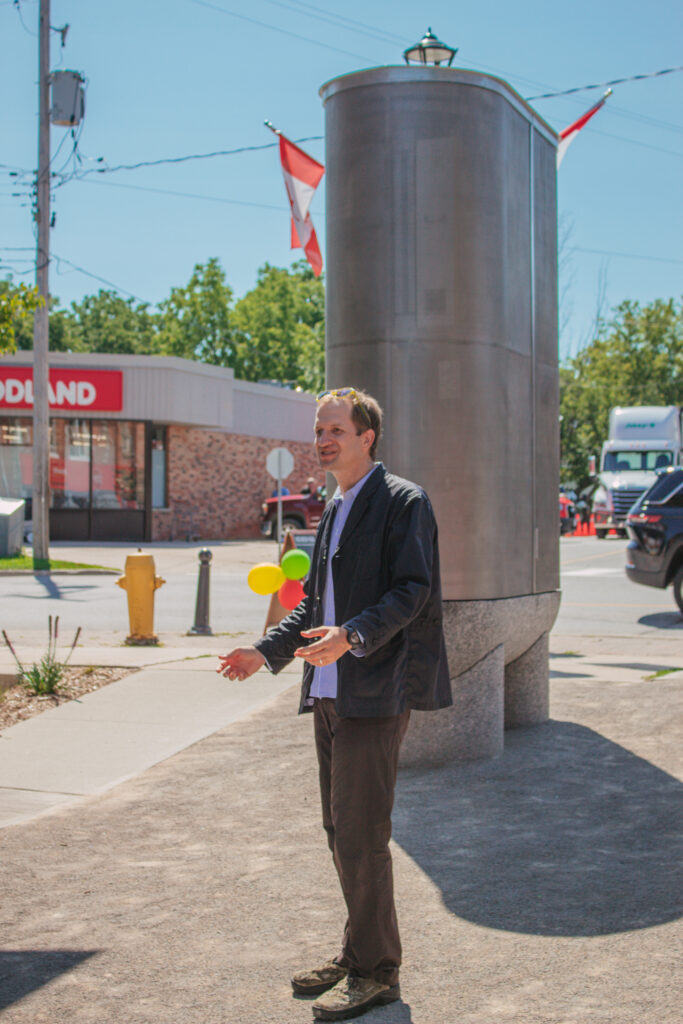
Some people thought it was a bathtub. Others guessed a time machine. A few wondered if it was 5G equipment.
And according to Civic Grid’s CEO, Max Fine, that curiosity was exactly the point. On August 5, he explained why.
A Community Gathering Place Reimagined
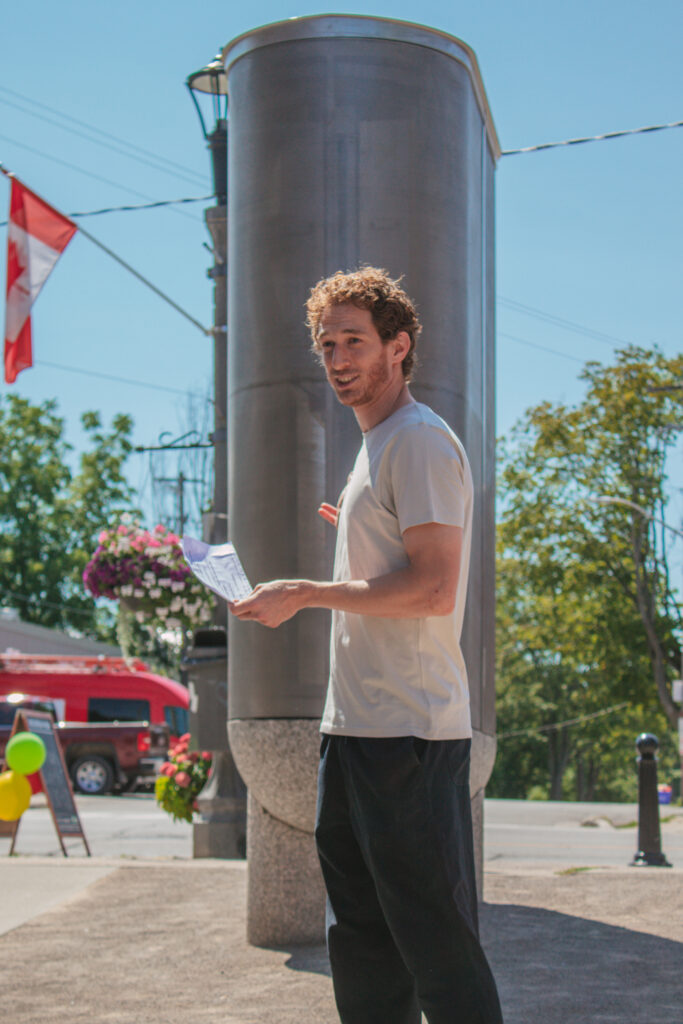
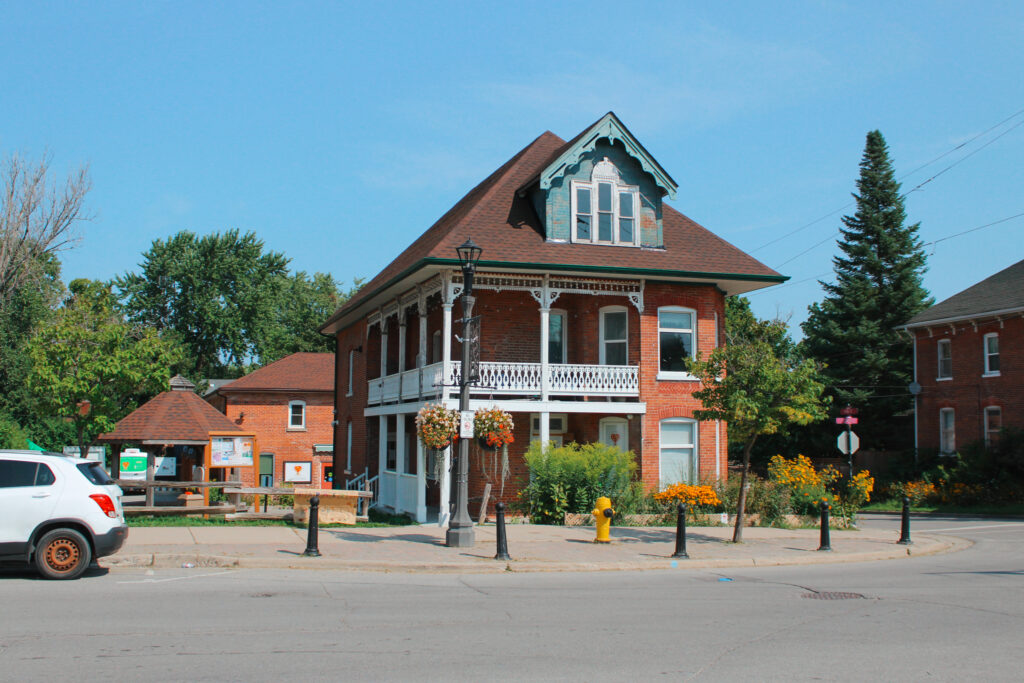
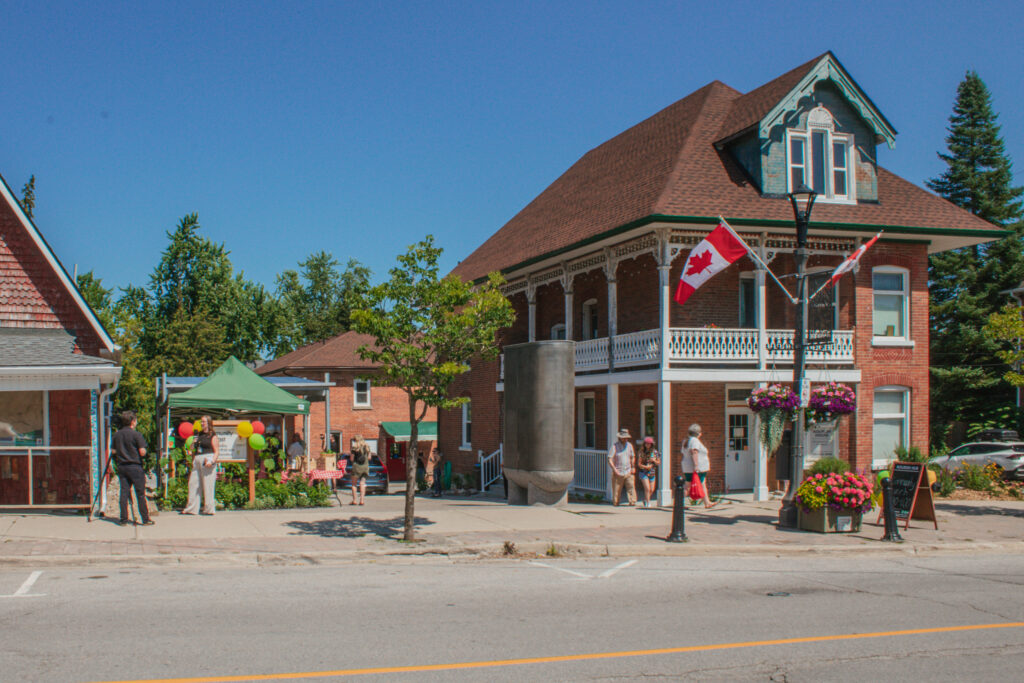
Civic Grid’s first architectural battery has been installed in a redesigned community square at The Nourish and Develop Foundation in Cannington.
What was once a fenced-in gazebo surrounded by lawn has become a more accessible, welcoming, and multi-functional public square featuring improved lighting, gardens, device charging, and an innovative energy system unlike anything our community has seen before.
Using a method called peak shaving, the battery was designed to store energy locally so it can be used later, instead of pulling electricity from the main grid during peak periods. In plain language, it stores power when it’s at its cheapest and uses it during peak hours.
Rather than hiding this technology, Civic Grid wanted to create something visible enough to start conversations about how energy and community overlap.
Max’s vision was that electricity is a public amenity. There’s a growing gap between the energy systems that power our buildings today and the mixed energy sources that will help us transition to a more sustainable future.
When we were working on this project, we imagined it like a well you would find in a more traditional townscape. Max saw electricity as a bit like water in that sense, so the design of this enclosure is harkening back to this idea of [resources as a public gathering place].
Its base is kind of hinting at this idea of permanence and public accessibility. Max [wanted the square to] be totally accessible for the community, as did The Nourish and Develop Foundation, so we worked really hard to improve this space as much as possible; to make it so people could come here, use the power, and understand legibly what the system was doing.
Josh Harskamp
Architect and Urban Designer
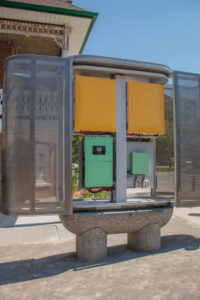
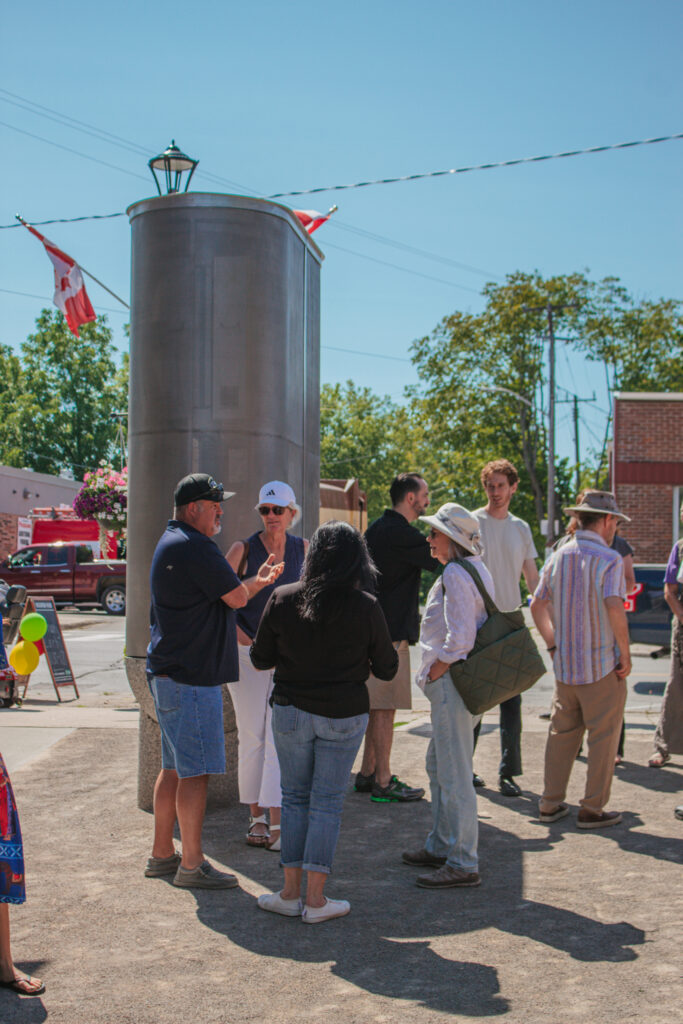
By making energy infrastructure part of everyday public life, people are encouraged to stop, ask questions, and think differently about how communities access and use power…and it’s definitely been sparking conversations!
Many visitors have been stopping by to ask about the project—and more have been using the space as intended without even realizing it.
More Than a Battery
While the battery naturally draws attention, the project was always intended to be about more than technology.
It’s about creating spaces that work better for people, and we’re already seeing that happen.
The improved accessibility of the square has been a game-changer.
In many ways, that’s already a success.
The Power of Change
- Manage peak energy costs
- Reduce demand on the electrical grid during high-use periods
- Support backup power during outages
- Improve local resilience
- Support future growth and electrification
Cutting the Ribbon
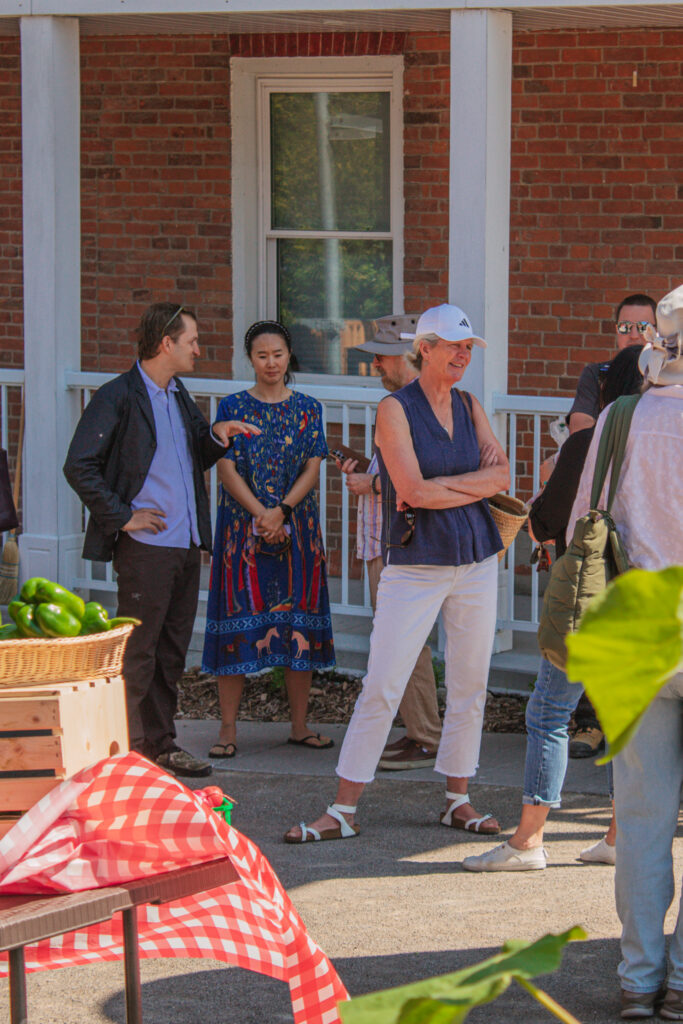
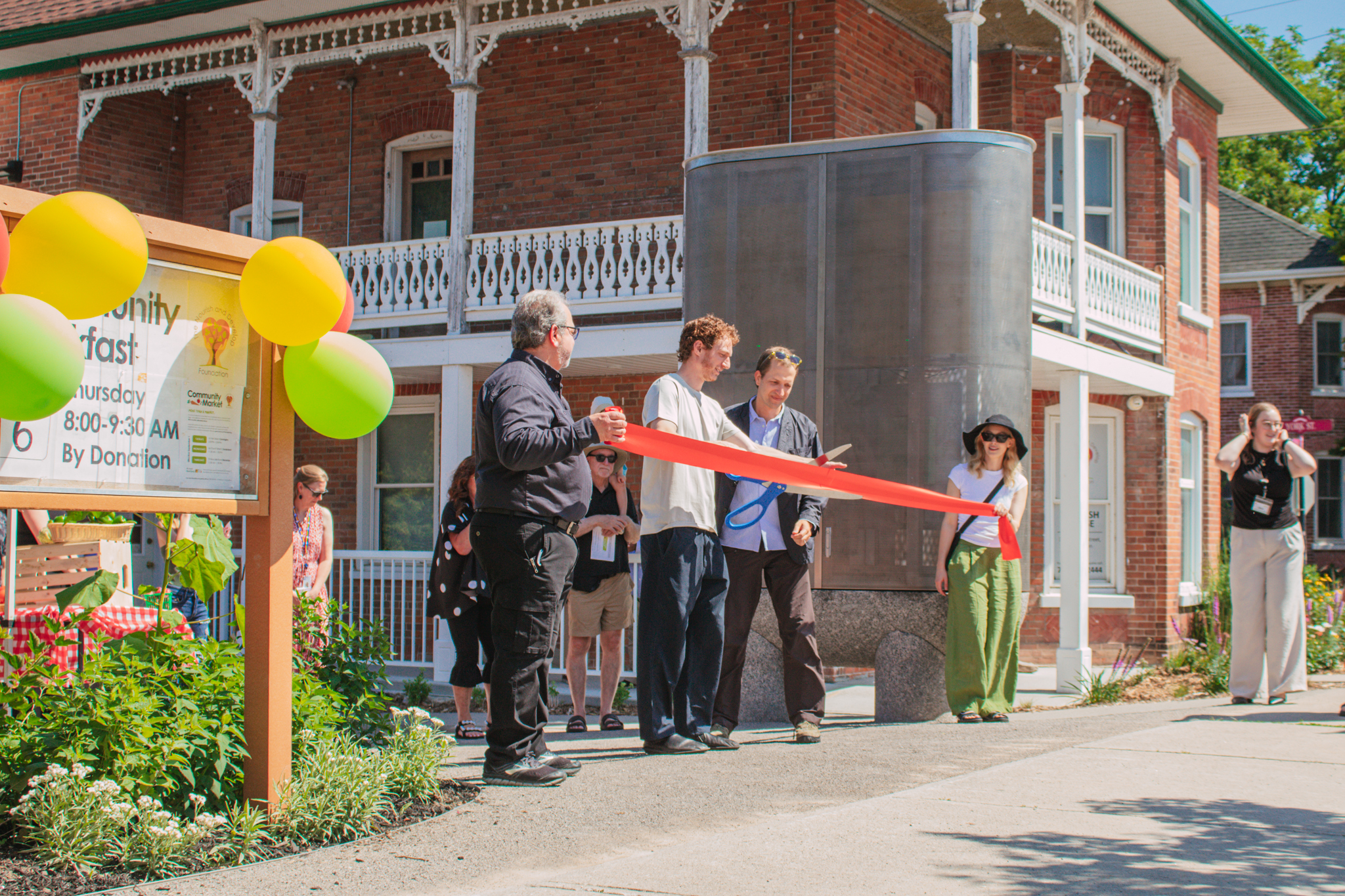
The Grand Opening on August 5 brought together community members, project supporters, visitors from outside North Durham, and plenty of curious first-time guests.
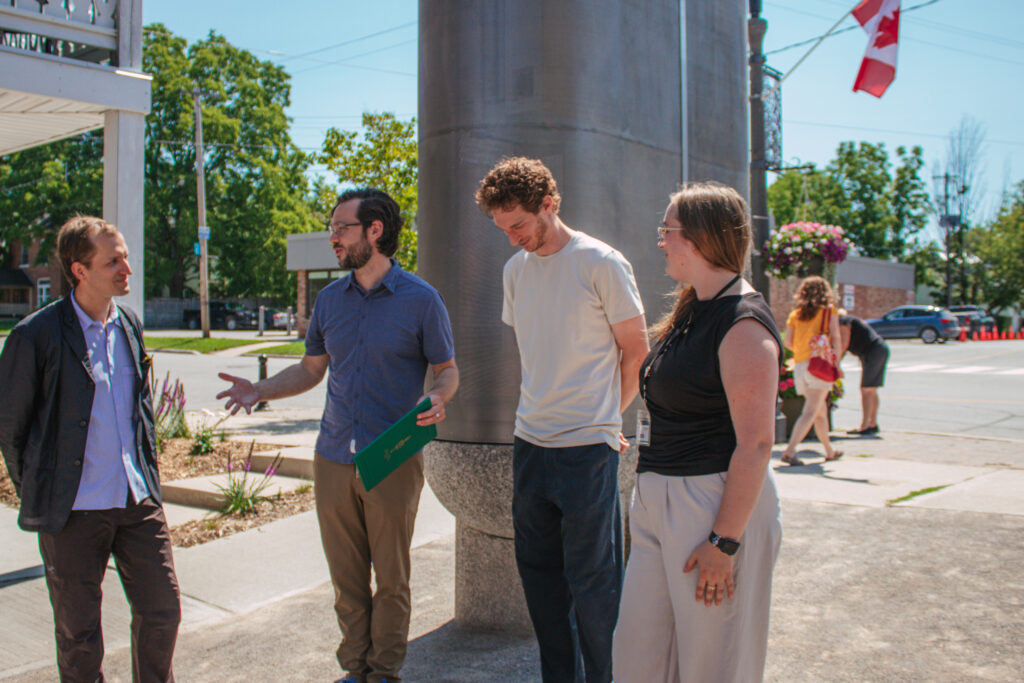
We heard remarks from Max Fine, who shared the vision behind Civic Grid’s first architectural battery, and from architect Joshua Harskamp, who spoke about the design philosophy that shaped the project.


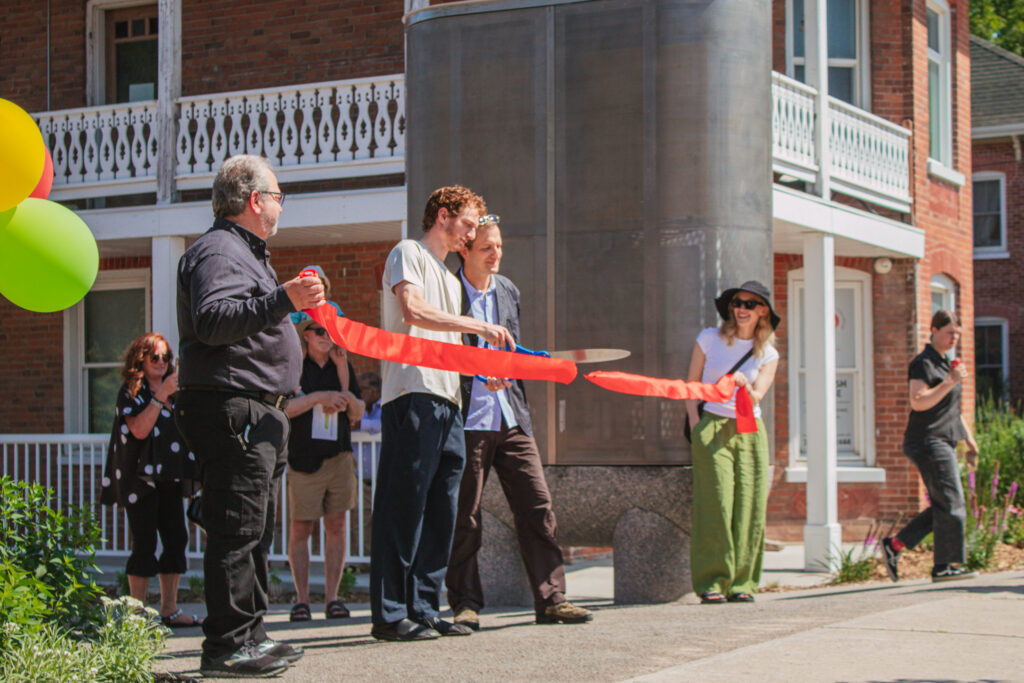
Following the official ribbon-cutting, the square continued to buzz with activity.
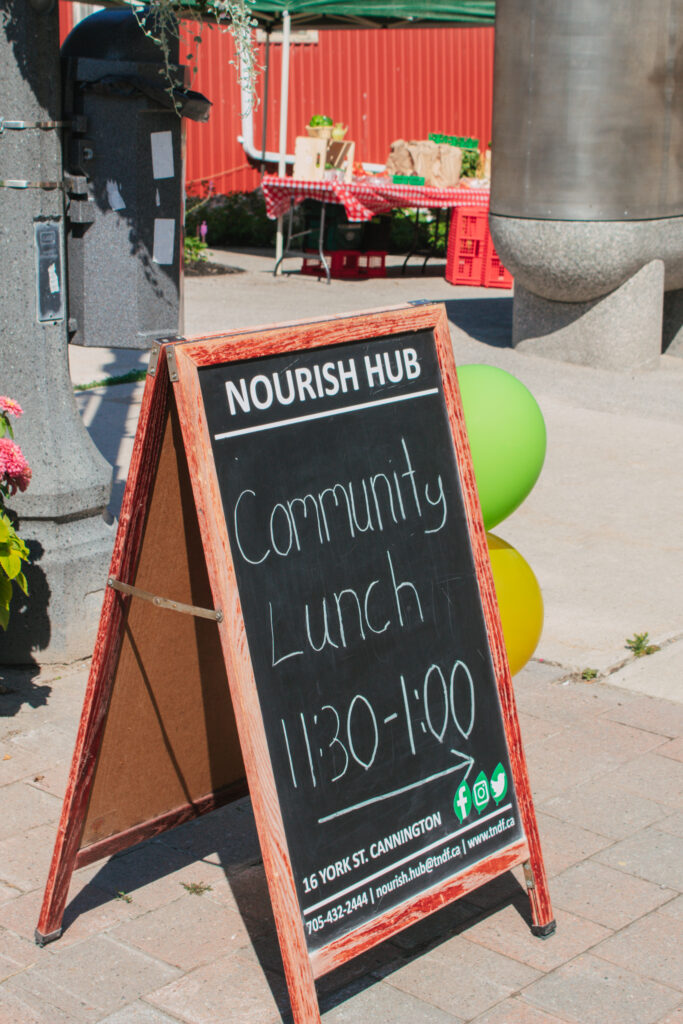
Our Community Lunch welcomed a bustling crowd.
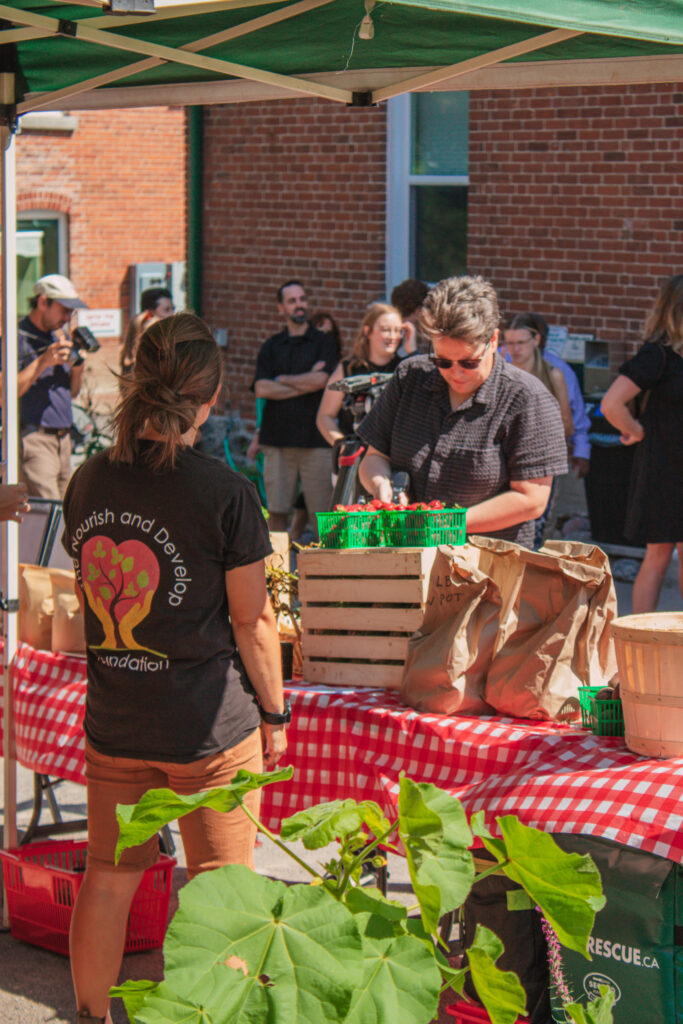
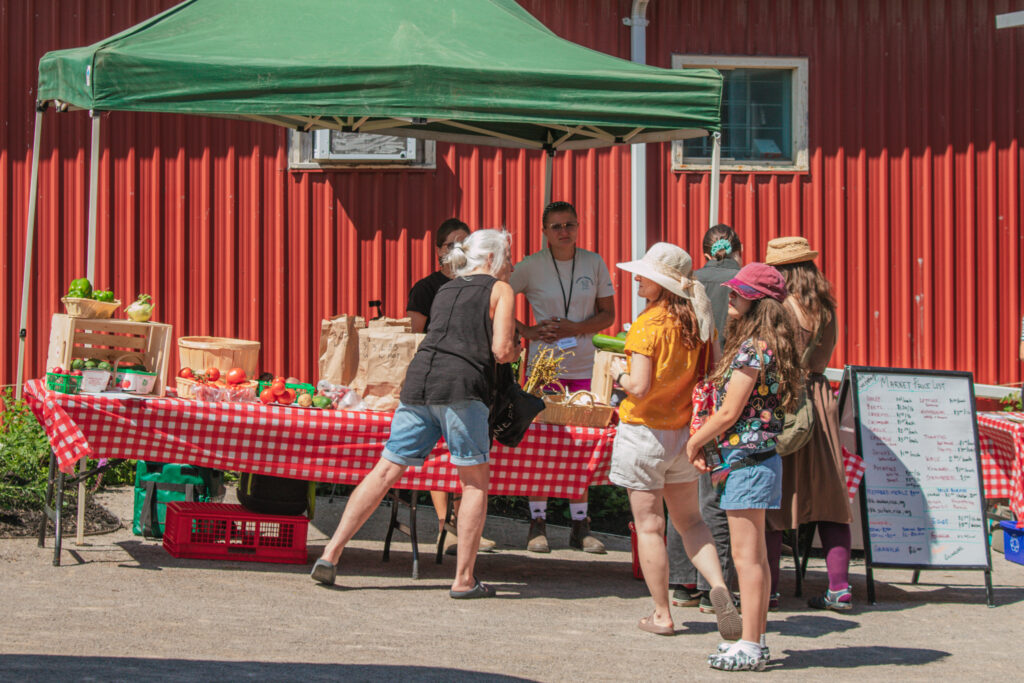
The pop-up Market brought fresh produce to community members.
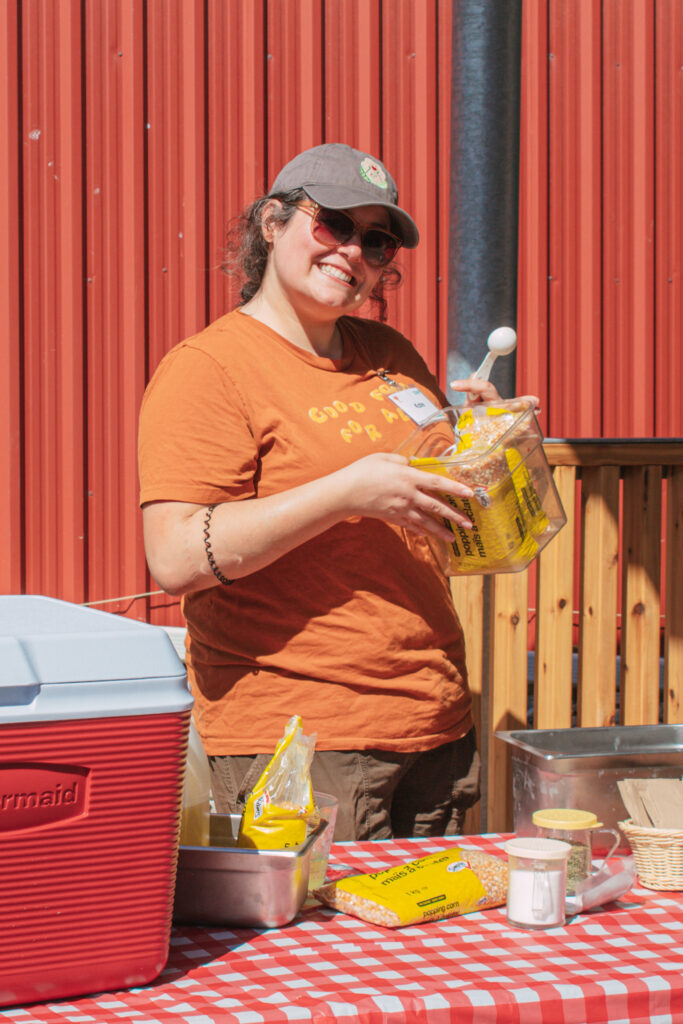
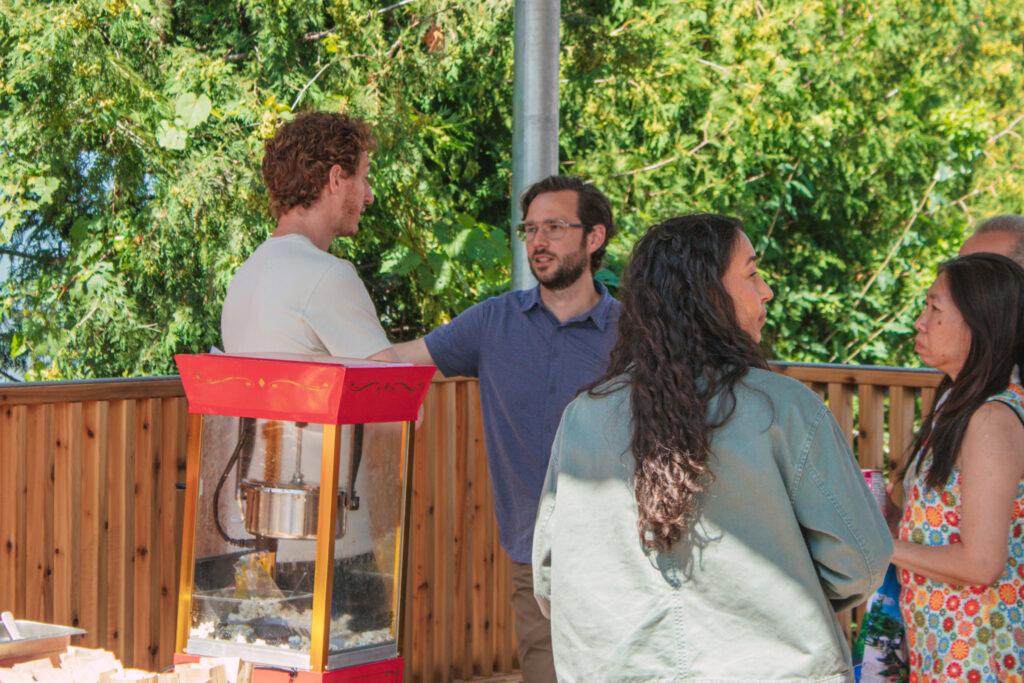
And perhaps most fittingly, visitors enjoyed popcorn made using power generated through the battery system itself.


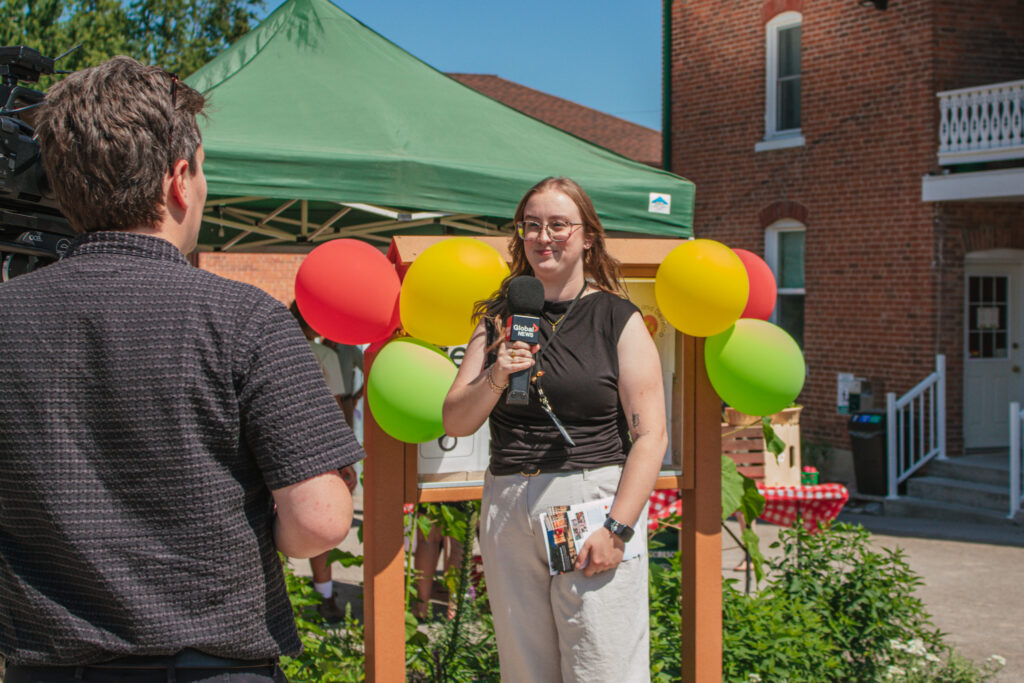
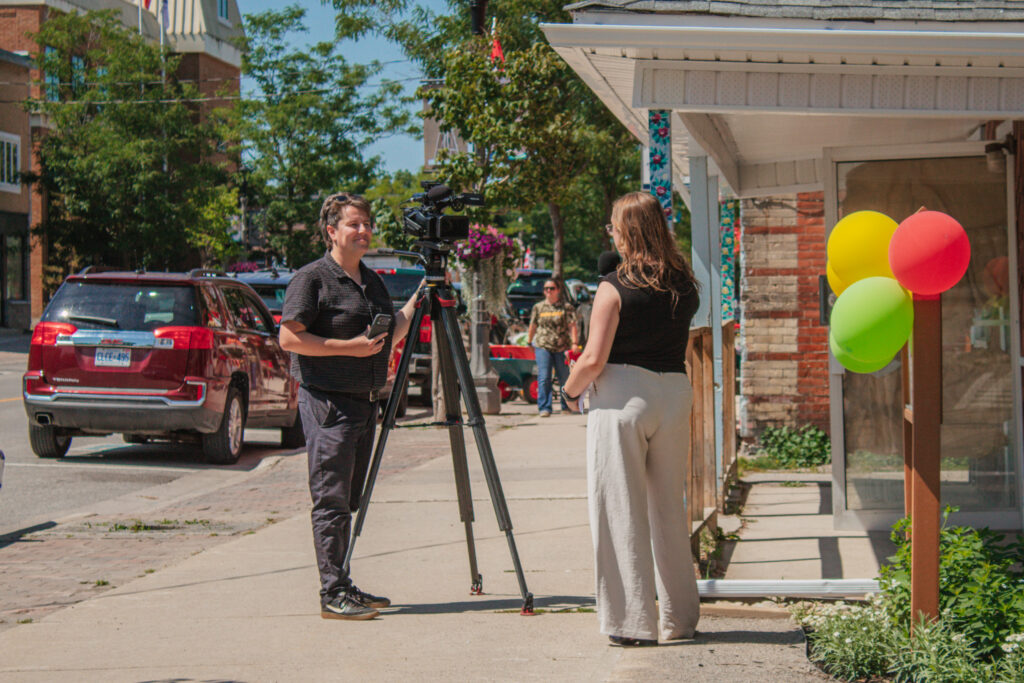
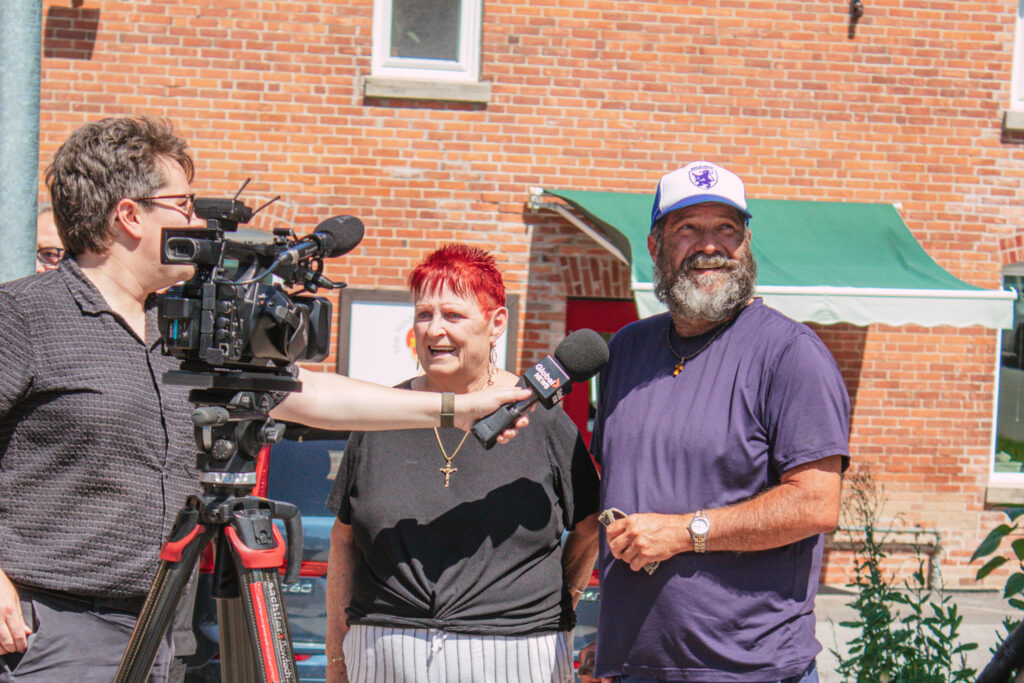
Global News interviewed Max, Josh, our own Executive Director, Jessica Topfer, and community members walking by. Watch the coverage here (skip to 12:20)!
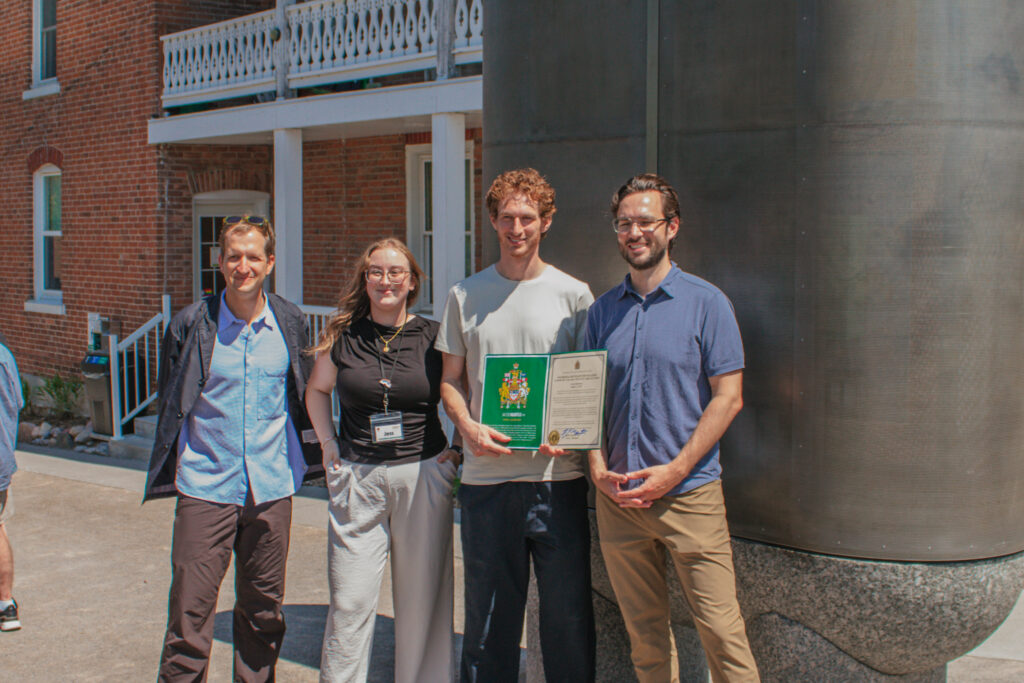
We were also honoured to welcome MP Jacob Mantle, who presented a certificate to Max, Josh, and Jess for their involvement in the project and the innovation brought to a rural community like ours.
To everyone who travelled from near and far to attend: thank you. Your curiosity, enthusiasm, and support helped make the day truly special.
The grand opening may be over, but the impact has only just begun.
We’re deeply grateful to Civic Grid, The Charity Tree, and everyone who contributed to making this vision a reality.
Most of all, we’re grateful to the community members who embraced the mystery, asked questions, and helped transform an innovative energy project into something even more meaningful: a place where people come together.
Frequently Asked Questions
What is it?
The structure is Civic Grid’s first architectural battery, a 60 kWh energy storage system designed to store electricity locally so it can be used later when needed.
Is it 5G?
How does it work?
The battery charges overnight for use during the day, helping TNDF reduce energy costs, keep the community square’s lighting and public charging outlets powered during outages, and support more energy use as the site’s needs grow.
Why does it look like that?
Why TNDF?
The redesigned square acts as a community resilience hub and gives TNDF a more accessible, welcoming outdoor space for gathering, charging, resting and community connection, better reflecting its work in food security, sustainability and local resilience.
The battery will help TNDF use energy more flexibly, manage peak energy costs, support backup power during outages, and create additional capacity for future programming and growth.
Who paid for it?
The site upgrade was funded by Charity Tree, a CRA-registered foundation that supports other qualified donees in a non-traditional and low-barrier way, giving support to underfunded and grassroots organizations across Canada.